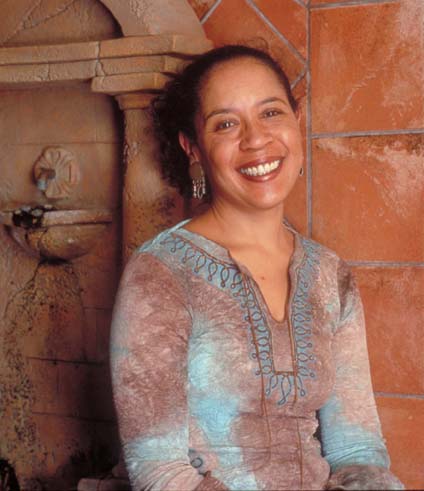
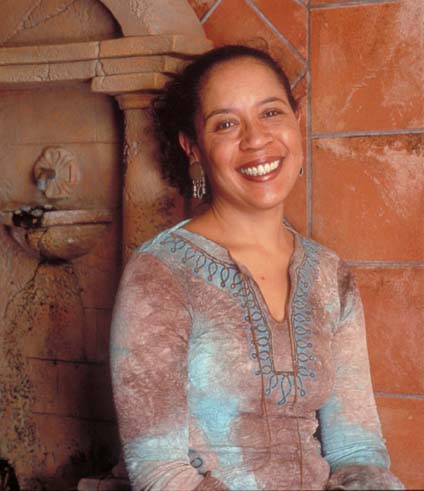
 Welcome to the February issue of my Blog...www.TheUrbanShaman.blogstop.com
Happy V. Day
The theme for this month is:
L O V E... in honor of Valentine's Day
I hope you are enjoying these blogs... It is my pleasure to share this information to you all. This month’s articles are about the different meanings of "Love"... There's 3 you know... and because of the theme this month...
"Heart Health"
Please pass this information to your friends and family...
Pass the Love around!
.
Also, if you have any suggestions for future blogs... Use the “comments” button on the bottom of this months blog... or email me at: TheUrbanShaman@aol.com
Life is not just a journey... make it an adventure!
ENJOY! & Much love to you all...
Peace N' Blessings,
Gail Oliver
 Agape Love
No Strings Attached
Love. It's such a simple word. And such a complex emotion. Even when we desire to love in a simple, uncomplicated way, love has a way of twisting itself back on us, catching us unawares. It's not easy to keep the different kinds of love, the different kinds of relationships, in their proper contexts. Even when we desire with our whole hearts to pursue love it is often very difficult to keep from falling in love.
Love does not like to sit still while we neatly pigeonhole it. There are an infinite number of ways we can love people, art, nature, and God. The lines may be fairly easy to see in some kinds of love, but the lines differentiating the love for a friend and the love for a lover are extraordinarily complex.
The goal or result of love is not always marriage. God, judging from the way he set things up in Eden, and the way he made us physically, no doubt intends most of us to be married, but that’s not to say that loving friendships between men and women aren’t also good and right.
Sometimes our feelings fall totally on one side of the line or the other, but more often I've found the differences to be quantitative rather than qualitative. In other words, it's not the kind of love that differs so much as the degree. The deep but unromantic affection we can feel for a friend (which we may call phileo), can very easily be transformed into a compelling, dramatic, romantic love (eros) with appallingly little rhyme or reason. There doesn't seem to be a way for us to tell our hearts to switch gears, or to stop our feelings at a certain point. Our affection for a friend and our romantic love for a lover both issue from the same spring.
When someone starts discovering our spirit and heart in the pursuit of love, spends time with us, gives of himself or herself; becomes involved in our life, we sometimes can't help falling in love in the process of growing to love, even when we are pursuing love with a pure heart. That's all right if the other person is also falling in love. But what if he isn't? What if he's still operating within the context of phileo love? With all our good intentions about pursuing love, what are we to do when eros starts to eclipse phileo in our hearts?
If we understand where our friend's heart is at, we probably don't even want the intense feelings of eros to develop, knowing that it will just make things difficult. It often makes the continuation of the friendship virtually impossible, even though we really desire to be free from the pressures of those kind of feelings and to return to the easiness and the freedom of phileo. But what on earth are we to do with those emotions?
Can we suppress them and get back to the easy relationship we used to have? Do we just stop seeing our friend because it's too painful? Do we weep and rage and get bitter because he or she made us fall in love and had no intention of following through on it? Do we just hold it all inside and try to pretend it isn't there so we don't scare him away? What do we do?
First of all, if it is true that our love is based on a quantitative rather than a qualitative foundation, to hope that we can banish eros in favor of phileo is not very realistic. Once our care has grown beyond an affection to a deeper love, how are we suddenly going to empty out some of that feeling unless we lie to ourselves? (We can do that simply by trying to make ourselves believe that we don't really care that much, or by dwelling on his or her faults and weaknesses in a way that's totally out of proportion. Needless to say, it's a very unhealthy, unloving way to solve the problem, but it's also quite common.) And the other alternative, to stop seeing each other, is certainly one way to avoid the problem, but not solve it, or grow from it, or learn whatever the Lord is trying to teach either of us through it.
A related problem enters the picture here because we're all so conditioned to the "love-and-marriage" syndrome. That is, that they're supposed to go together, especially in the Christian ethic where marriage is the only legitimate option beyond friendship. From there we have sometimes made the mistake of thinking that it is the only legitimate option for people who respect, care for, and love each other.
Instead of relaxing in the knowledge that it is perfectly possible for a man and a woman to have great respect for each other, to care deeply about each other and even to love each other without getting married, we get a mite over-anxious, perhaps, about the "Is this the one?" question. And that produces that "weirdness" which results from expectations — expectations of having the relationship lead somewhere, of being loved, of being fulfilled, of being cherished and cared for in a special way. These expectations rob a relationship of spontaneity and unselfconsciousness; they make us terribly preoccupied with ourselves and an imagined, even planned — for — future; they rob us of the freedom to enjoy each other with true agape love. And as soon as expectations start taking over our minds, the pursuit of love is doomed, because at that point we are no longer seeking the other person's total good, but seeking our own satisfaction. (1 am talking here about expectations which arise out of one's own selfish desires-in spite of communication between the two and the tenor of their relationship. If one of them is leading the other on, however, or being less than honest and straightforward about his or her feelings and intentions, that is another situation entirely.)
The key to the solution of this problem lies not in our fighting the fact that we love someone, not in trying to love less in order to get back to phileo but in trying to love more, to get beyond eros to agape, the kind of love the Lord has for us. The exciting and beautiful thing about agape love is finding out that you truly can love someone very deeply and yet allow him complete freedom to respond to you in whatever way God leads him to respond.
This type of relationship demands a kind of freedom that is impossible when we are bound by expectations. It requires a love that isn't concerned with the fulfillment of our own ends. This in turn requires trusting God to fulfill those needs.
The goal or result of love is not always marriage. God, judging from the way he set things up in Eden, and the way he made us physically, no doubt intends most of us to be married, but that's not to say that loving friendships between men and women aren't also good and right. We don't love just one person during our lives; we love many, in varying degrees and in many ways. Love is not a rein sum game in which the more we love one the less we can love others. Rather, the more we learn how to love one the more we are able to love others.
We need to legitimize love between men and women who don't feel the Lord is leading them into marriage. (I am definitely not using love here to include sexual love.) We need to understand that it is all right to love a friend. Such friends often help to fill those deep needs for love and affection before we do find that one person we'd like to marry. And that's OK. That's what we're here for — to help each other out, to love each other as Christ loves us.
But this type of relationship demands a kind of freedom that is impossible when we are bound by expectations. It requires a love that isn't concerned with the fulfillment of our own ends. This in turn requires trusting God to fulfill those needs.
What it comes down to, then, is, first of all, how much do we really love that person? Do we love to the point that we want him to be part of our life, that we need him in order to be fulfilled and happy? Or do we love him enough that we want him to be happy, even if it means without us? Do we love him so much that we think we'll die without him? Whose interests are we seeking to serve — his or ours? How much do we really love him? Enough to pray that for him to have the the right woman to be his mate, even if it might turn out to he someone else? Enough to put concern for his happiness above our concern to have our own needs fulfilled?
And what kind of love is it, really? Is it the love that bubbles forth from a full vessel, a vessel overflowing with the love which pours through us from the Universal Spirit (GOD)? GOD is Love... and LOVE is all. Or is it a result of our own lack of spiritual fruit, so that we look to someone else to give us love, joy, and peace, rather than looking inward or to GOD Spirit? If it's that kind of love we won't be able to truly pray for our friend's complete happiness — we'll be too concerned for our own. That kind of love is born not only of a lack within ourselves but of a lack of trust in ourselves. Real love is not found outside of ourselves but within ourselves.
So the next concern is, how much do we trust ourselves? Do we really trust The Universe to supply all our needs? Do we trust GOD love for us and his knowledge of what the absolute best is for us, as well as for the one we love?
To the degree that we trust, and allow Spirit to direct our lives and our relationships, we can be free from the leech of expectations and free to let the Lord love that person through us. And the degree to which we yield ourselves as vessels, allowing him to fill us with his life and his love, allowing him to transform us into his likeness — to that degree, and that degree only, will we be able to love with true agape love.
And if we can trust him, if we can yield, we can then pray wholeheartedly for our friend's happiness, secure in the knowledge that Spirit is going to fulfill all our needs (not necessarily all our wants), and we don't have to depend on a person to do it. We can say with our whole being, "I love you, and there are no strings. I just want to be around to support you in whatever way you and the Spirit wants me to. I want to pray for you, share your burdens and be involved in your life because I love you, but I'm not expecting anything from you. I simply and truly want to see you happy and fulfilled." That is the pursuit of agape love. That is serving rather than being served, and loving rather than being loved.
By Lia Fuller O'Neil Originally published by Discovery Publishing, the publications ministry of Peninsula Bible Church, Palo Alto California. Visit at www.pbc.org/dp/index.html. Used by Permission.

In the spirit of this months holiday, Hallmark, Ftd and Govinda's as it may be... We need to know when our heart is breaking... literally!
So here are the warning signs... Go to: TheUrbanShaman@blogspot.com October Edition to get the article on Heart Healthy Antioxidents
Heart Attack Warning Signs
Some heart attacks are sudden and intense — the "movie heart attack," where no one doubts what's happening. But most heart attacks start slowly, with mild pain or discomfort. Often people affected aren't sure what's wrong and wait too long before getting help. Here are signs that can mean a heart attack is happening: *Chest discomfort. Most heart attacks involve discomfort in the center of the chest that lasts more than a few minutes, or that goes away and comes back. It can feel like uncomfortable pressure, squeezing, fullness or pain. * Discomfort in other areas of the upper body. Symptoms can include pain or discomfort in one or both arms, the back, neck, jaw or stomach. * Shortness of breath. May occur with or without chest discomfort. * Other signs: These may include breaking out in a cold sweat, nausea or lightheadedness As with men, women's most common heart attack symptom is chest pain or discomfort. But women are somewhat more likely than men to experience some of the other common symptoms, particularly shortness of breath, nausea/vomiting, and back or jaw pain.http://www.americanheart.org/presenter.jhtml?identifier=3053#Cardia_Arrest
Go Red For Women
The American Heart Association is challenging one million women to stop heart disease and Go Red. Women can take action against their No. 1 killer by taking the Go Red Heart CheckUp. An online, 10-year risk assessment, the CheckUp will help women calculate their risk of heart disease. Take the CheckUp and learn how to make healthy habits part of your daily routine.
Go To:
http://www.americanheart.org/presenter.jhtml?identifier=1200000There are 70 years of research into men’s heart disease. But only in the last 5 years have we really come to grips with the fact that heart disease in women is so different, it’s practically......a different disease entirely!That’s right:• Heart disease in men has a lot to do with plaque buildup. But in women it has everything to do with hormone levels after 50.• The stress test, the gold-standard for detecting heart disease for men, doesn’t work as well for women.• Cholesterol levels in men are an important risk factor. But 75% of women with heart problems have low cholesterol! For women, the levels of “C-reactive protein” are much more significant. This is easily checked. Statin drugs rob you of the coenzyme Q10 women especially need to protect their hearts. (You’ll discover a better way—a woman-wise way—to lower your cholesterol in a minute.)• Heart protection. Men should take an aspirin a day. But aspirin blocks a woman’s production of hormones known as prostaglandins. And prostaglandins are an important part of stress management for women! Women do better on enzymes such as bromelain and papain. (More on bromelain in a moment)• Blood pressure. We now know how emotions affect blood pressure. Stress pushes blood pressure to dangerous levels. And we know that women can use visualization, meditation, yoga and many other techniques to reduce their blood pressure very successfully. Women who are adept at working with their emotions usually don’t need the heavy-duty blood-pressure drugs that men often require.• Heart attacks are quite often “silent” in women, meaning there are no physical symptoms. At the most they get an ache, not the crushing pain common in men. That’s why men get rapid treatment in the E.R., while women are often given a prescription for “gastrointestinal distress”—and told to go home and get rest!!• Supplements. Women need folic acid, vitamin B6, and coenzyme Q10—deficiencies in these vital heart nutrients are significantly more common in women.“One day, men, too, will benefit. But today, it is our turn. Today the big health breakthroughs are woman-wise cures—cures discovered by women, with women... for women.By Susan Lark, M.D., pioneer of woman-wise cures
It's All About LOVE!
 Welcome to the December issue of my Blog...
www.TheUrbanShaman.blogstop.com
Happy Holidays!
& Happy New YOU!
The theme for this Year End Blog is:
Happy New You!
Tools to be who you are meant to be and make the New Year a prosperous and productive one...
I hope you are enjoying these blogs... It is my pleasure to share this information to you all.
Please pass this information to your friends and family... or email me to join the mailing list if you are not in my database @ TheUrbanShaman@aol.com ... My intention is to start a bi-monthly publication to support wellness in our communities...
.
Also, if you have any suggestions for future blogs... Use the “comments” button on the bottom of this months blog... or email me at: TheUrbanShaman@aol.com
Life is not just a journey... make it an adventure! ENJOY! & Much love to you all...
Peace N' Blessings,
Gail Oliver
 Intentions Versus New Years Resolutions....
Gail Oliver © 2006
Now that we have survived Act 1 of our Holiday celebrations, it’s time for Act 2, New Years!
It is now when we tend to make our New Years Resolutions (NYR’s). It is the time of year we promise ourselves to do better, be better and try harder. We make lists and mental notes, we meditate and pray to do better in general. A time for a fresh start, after all, it’s a New Year... We can start with a clean slate. We make plans to workout at the gym, get a new job, a new partner, a new lease on life, and many other promises we usually can’t and don’t keep let alone accomplish. To me NYR’s are an exercise we do annually to cover up the things we let slide all year. It’s a way of gracefully cleaning up our act so to speak. How many of your 2006 resolutions did you keep this year? What happened?
Life has a way of getting in our way and sabotaging our hopes, wishes and desires... We get busy with life and they become our back burner projects... Our resolutions soon become distant memories. How many times have you made the same resolutions year after year after year and still haven’t seen them to fruition? I know I am guilty. Maybe we all are.
So here are some tips to perhaps help to keep your resolutions. First we may need to go backwards before we go forward... and perhaps we can start with a new language.
Years ago, I started my New Years Celebrations by doing “My Year in Review” a kind of acknowledgment of what I accomplished over the last year. You see our accomplishments are just as important as what we are planning next. We tend to forget how powerful we are because we are speeding to the next great thing without realizing what we did. Now I know dwelling in the past robs you of the present, but that’s a subject for another blog... But when you actually remember what you have accomplished, good or bad, no matter how insignificant or profound... Write them down! As you write, you may find that you begin to realize how powerful you are and be amazed at what you done, how you’ve grown, how much courage you exhibited in a crisis... how much grace you have under pressure. By this acknowledgment, perhaps will build more courage and have more clarity and a new found conviction to aspire to even loftier goal than first imagined. We tend not to give a second though to what we’ve accomplished because we are so busy planning and plotting and living. But this simple exercise will give you more confidence to go forward and know that you are a powerful spirit having a human experience and anything you can imagine you can create with clarity, determination and courage... But you already know that! Look what you accomplished last year!
Intentions/Affirmations & Mantras
Intentions are interestingly important to the path you take in life. Setting intentions is like making goals for yourself. New Year's Resolutions are an example of a goal, the difference is, an intention is remembered and thought upon daily. A goal is usually written or thought and soon forgotten when life happens. An intention is powerful. They are action oriented, the word intend, is: something that someone plans to do or achieve. It is the quality or state of having a purpose in mind. Basically you have to set an intention to achieve a goal.
An intention is a process of putting thoughts into action and with effort, seeing the results manifest as a truth for you. You have the control and responsibility to make it happen. If you don't put the energy into it or make the determination to achieve your intention, it won't happen. When you ask someone: What is your intention? on any matter. They, provided they have integrity, tell you exactly the course of action that they plan to take to achieve their goal and/or what they are going to do about the matter.
An Affirmation is different in the sense that they assert something as being true whether are not it is true. It is a positive statement asserting that a goal the thinker "wishes" to achieve is already happening. To me affirmations require a bit "faith" and belief, to become true. They leave the control and power outside of your self. A kind-of brainwashing of yourself into a certain mode. I have seen them used as a sort of mantra while in meditation or prayer. At some point you need to put your faith into action.
A mantra on the other hand is a sacred word, chant, or sound that is repeated during meditation to facilitate spiritual power and transformation of consciousness or condition. It is like an affirmation in that it can be an expression or idea that is repeated, often without any thought about it, and closely associated with something (changing consciousness level or attaining something).
A few years ago, I met a Tibetan Monk, he and his group were on tour raising consciousness about the plight of Tibet. They spent a week at a Spiritual Center I attend and practiced their ceremonies and customs. They chanted and created a sand mandala, which is an intricate geometric pictorial design that represents the Universe and is used in Buddhism and Hinduism. As the week ended, they performed the ceremony of destroying the mandala (representing the impermanence of all things) and collected the sand to be used for a blessing for the waters in our nearby ocean. It was a wonderful experience. When it was over I asked a monk, what are your beads (a Mala) for? Because there was a methodical way he manipulated them in his hand. He explained what they were used for and then surprised me and handed them to me as his gift to me. He told me to hold them in my hand and flip one of the 108 beads one at a time. As I did this he said to recite a mantra or in my case an intention or affirmation for each bead. He also said that if my conscious mind was not convinced, eventually my subconscious mind would be. There are mantras that are like affirmations and intentions, a statement, and then there are bija or seed mantras, they are one word mantras. Both are usually recited in Sanskrit, a Ancient language practiced by Hindus and some Buddhist.
What do all of these have in common?
They are all tools that enable us to reprogram our thinking. They help us to focus on the things you want in life and a way to do them the with positive determination to achieve our dreams.
I like setting intentions as a theme for a meditation, and that's what I use daily in my spiritual practice. I set my intentions in my mind and then write them down. I place them in my journal, or in a frame in my prayer space, and this reminds me of my goals as I focus. When used as the theme for meditation, I read and think my intention in my mind and center myself on that intention, I then go within and get quiet. It has been my experience that all creative ideas and solutions to problems come from this quiet practice. Some of the best and brightest minds; Einstein, Bell, Beethoven, practiced some form of quieting the mind meditation for clarity and to elevate their creative process.
Here is my favorite exercise for the “My Year in Review” You will need your journal or I have found reading you old appointment book helps for reflection and a notebook or notepad to write your accomplishments and intentions in and keep.
Stage 1:
1. Set some quiet time aside where you can sit in a comfortable position, undisturbed for a while. I sometimes take the time to go to the beach for the first part (my favorite place... never crowded on New Years Eve), or just stay at home. Then relax all your muscles and take 5 minutes to center yourself with the breathing technique of Balanced Breath. (Your inhales and exhales should be equal in duration. Count 1-2-3 for inhales and 1-2-3 for exhales.) Connect with yourself before beginning this exercise.
2. Think back to January of 2006 and remember what was happening in your life... Good, Bad, Large or Small... Did you help someone? Did you move? Did you run into an old friend? ect... Heck what were you doing then up until now... WRITE IT ALL DOWN! and be VULNERABLE! Did you inspire someone, did they inspire you? Did you get a new job?
This is your life...
As you write, you may be surprised at all you accomplished. I do this every few months and it is amazing what you learn... For instance, last year (almost exact to the day) I ran into a dear old friend. While we reacquainted ourselves, I mentioned that I taught Yoga and Wellness. He gasped and politely reminded me that although that was good and I know you like to help others, but... you are an artist and a good one... Your God given talent. In turn that inspiration led me to restart my graphic design business... Now I do both.
Write Everything!
3. Contemplate and read your year in review and contemplate some more. Do not rush the process. Through your experiences, what did you learn? How did you handle any challenges... could you improve in any areas? What are you grateful for? (I thanked my friend for the inspiration just yesterday.) And then contemplate some more...
4. Now own it! It’s your life!.... next.
Stage 2:
Now, repeat step one in stage 1. (you can stay at home for this one).
Center yourself and sit comfortably and undisturbed for a while... Breathe and center yourself again...
1. Now that you are quiet, think what is it that you want in your life. You
can have anything in this life you want it's your birth rite. Your
thoughts and aspirations have power.
2. Now right down an intention for yourself. Be realistic first time out.
But be diligent. (example: I will move to a new home...)
3. Place your intentions on a list, a post-it or a card and strategically place
them where you can reflect on them daily. Repeat your intentions as
often as you can. You can even find the object of your intention and cut
out the picture to reflect on daily with your intention (this is called
creative visualization).
4. Make a commitment to see your intention through, plan how you can
achieve it and handle your business.
5. Now if you haven’t started one, here is a prime opportunity to start a
journal. Record the process and progress in your journal that you make
and what you accomplish over the next few days, weeks, months etc.
6. As you accomplish these intentions, remember to have gratitude for
them... and write down what you are grateful for (lessons learned,
obstacles, challenges and how your overcame and persevered).
7. As you live from time to time change your intentions as you achieve
them. You will be amazed at how full and fruitful your life will be.
Enjoy!
 Welcome to the November Issue of my Blog
The theme for this month is:
Gratitude and Thanks...
Thanksgiving is Everyday!
I hope you are enjoying these blogs... It is my pleasure to share this information to you all. This month’s articles are about “Gratitude” How an “Attitude of Gratitude” Can Change Your Life...
Please pass this information to your friends and family... or e-mail me to join the mailing list if you are not in my database @ TheUrbanShaman@aol.com ...
My intention is to start a bimonthly publication to support wellness in our communities... And I Need Your Support :) .
Also, if you have any suggestions for future blogs... e-mail me at: TheUrbanShaman@aol.com
To see back issues of my blog or any you’ve missed , go to: www.TheUrbanShaman.Blogspot.com
Life is not just a journey...
make it an adventure! ENJOY! & Much love to you all...
Peace n’ Blessings, Gail Oliver

Thanksgiving and Gratitude...
by Gail Oliver © 11-2006
As we celebrate Thanksgiving this month, I was compelled to share with you the practice of gratitude. Gratitude is an attitude that should be incorporated into our daily lives...
Become habit 365 days of the year.
Gratitude is an emotion, which involves a feeling of emotional indebtedness towards another person; often accompanied by a desire to thank them, or to reciprocate for a favor they have done for you. In a religious context, gratitude can also refer to a feeling of indebtedness towards a deity.
You may be grateful for everything in your life, your health, your family, your friends, your partner, a beautiful day, a brilliant sunset or what ever you can think of.
As you give thanks...you receive.
By acknowledging your gratitude for things, you open yourself up to receive more in life. It is the Universe’s good pleasure to bless you and make sure you receive all that you need and desire. Giving gratitude gifts the giver and the receiver.
Psychological research has demonstrated that individuals are more likely to experience gratitude when they receive a favor that is perceived to be (1) valued by the recipient, (2) costly to the benefactor, (3) given by the benefactor with benevolent intentions, and (4) given gratuitously (rather than out of role-based obligations) Research has also suggested that feelings of gratitude may be beneficial to subjective emotional wellbeing. In people who are grateful in general, life events have little influence on experienced gratitude.
Previous paragraph...(e.g., Bar-Tal, Bar-Zohar, Greenberg, & Hermon, 1977; Graham, 1988; Lane & Anderson, 1976; Tesser, Gatewood, & Driver, 1968). (Emmons & McCullough, 2003). (McCullough, Tsang & Emmons, 2004).
From a Buddhist point of view, the Pali word which we translate in English as gratitude is katannuta. The word katannuta consists of two parts: kata which means that which has been done, especially that which has been done to one, to oneself, and annuta which means knowing or recognizing. So katannuta means knowing or recognizing what has been done to one, that is to say knowing and recognizing what has been done to one for one's benefit. Hence the connotation of the Pali word is rather different from its English equivalent. The connotation of the English gratitude is rather more emotional(we feel gratitude, etc.) but the connotation of katannuta is rather more intellectual, more cognitive. It makes it clear that what we call gratitude involves an element of knowledge - knowledge of what has been done to us or for us for our benefit. If we do not know that something has benefited us, we'll not feel gratitude.
Have you ever awakened in the morning and were full of thanks for the beauty of the morning? Or have you ever been blown away by an amazing sunset, the smell of a fall day, the site of a loved one? Life is full of magic moments and experiences to be grateful for, just the fact that I am alive does it for me. One of the most profound things I have discovered with this attitude of gratitude is, I have no use for anger or resentment in my life. When faced with a challenging situation that would normally just piss me off... I now, instinctively do my best to rise above any negative reaction I may have and find a positive solution. Life will always challenge us, but I find that the challenges in life are a gift to us and an opportunity to grow and build character... to become the powerful beings we were meant to be.
Another gift from this practice is the ease of which life is experienced. You are put in sync with all things in the Universe. Life becomes easier, and obstacles become smaller and more manageable in the grand scheme of things. As you express gratitude, you are in a way rewarded with opportunities big and small, coincidences of sorts (if you believe in them of course). You are in “The Flow”.
To practice Gratitude is easy. I write at least 5 things I am grateful for from the day in my journal before retiring each night.
I’m grateful for my health.
I’m grateful for the opportunities I have.
I’m grateful for my friend that called today.
I’m grateful my family is safe.
I’m grateful I am alive!
Sometimes when I experience something I conceder to be a miracle in the moment, I acknowledge it right then and there... out loud or quietly. Even when I experience a challenge I say thanks and the situation becomes defused. At the risk of sounding nuts, I have also been know to sing what I’m grateful for when alone. Whatever works!
To be Grateful in every moment of life is easy when you realize that life must not be taken for granted. Every breath is a gift. We must realize that the happiest moments of our lives and the most challenging times are equal blessings deserving of our appreciation and gratitude. Gratitude for the ability to be a witness to our lives and still enjoy the journey. When we can come to understand that good or bad, happy or sad, we have the opportunity to appreciate these experiences... We learn our lessons and can be grateful for every precious moment we have. When we practice gratitude, we have no room for the negative aspects of life and life can become the dream we always imagined.
Practice The Attitude of Gratitude 365 Days a Year.
“Let us rise up and be thankful, for if we didn't learn a lot today, at least we learned a little, and if we didn't learn a little, at least we didn't get sick, and if we got sick, at least we didn't die; so, let us all be thankful.” —Buddha
"Nothing is more honorable than a grateful heart."
—Seneca
“If the only prayer you said in your whole life was, "thank you," that would suffice.”
—Meister Eckhart
“The deepest craving of human nature is the need to be appreciated.”
—William James

I Appreciate All That I Am and All That I Have.
All of you have heard at one time or another, “Be appreciative; say Thank You.” What is the true value of gratitude? Gratitude acknowledges your power and ability to create. It focuses your attention on what you have, and what you pay attention to increases. It is a constant reminder to yourself of how abundant the Universe is how you can trust it’s unending flow. Appreciation is a state of mind that magnitizes money and abundance to you.
Think of your subconscious as a small child. Have you ever noticed how children respond when you praise them, how much harder they try, how their faces light up with joy and their eyes sparkle? Every time you give thanks to yourself for something you have created, that little child within you lights up, sparkles, and wants to do even more for you. Every time you say, “That wasn’t good enough; you could have done better,” that child closes down. Just like a child who is criticized, your subconscious loses confidence and courage. Appreciating yourself and thanking the Universe motivates the child within you to create even more good in your life.
Appreciation is reflected in your attitude, and your attitude can either magnitize or repel money. You may have noticed that many successful businessmen write “Thank You” letters or send gifts to those who assist them. Thanking the Universe for your abundance, either by mentally saying “Thank You” or acknowledging your gratitude aloud, will multiply your prosperity.
Every time you say “Thank You” to yourself, you instill confidence in your ability to create the things you want. Begin thanking the Universe for every small thing that comes your way, appreciate how far you have come and all that you have already accomplished, and you will overcome your fears and doubts. Give thanks for all the things you take for granted— the place you live, the friends who love you, the food on your table. Do not label what you have as inadiquate, but instead begin thanking the Universe for it.
From “Creating Money” by Sanaya Roman and Duane Packer Ph.D...
 Saying Grace... Giving Thanks Around the World.
Sharing food is the most universal cultural experience. Expressing thanks for food was humankind's first act of worship, for food is the gift of life from above. In every culture there are sacred beliefs or divine commandments that require honoring the giver of life--God or the divine principle--through acknowledging the sacred gift of food. By admitting us to his table, God became bound to us in a unique relationship. By admitting God to our table, we experience the love and beauty of that relationship.
The gods command prayers of thanks for food. The Bible has several citations: "And thou shall eat and be satisfied, and bless the Lord your God'' (Deut. 8:10). The divine origin of the words of the Koran are better appreciated if you understand that the Koran is to Muslims what Jesus--not the Bible--is to Christianity. A verse from the Koran, the words of Allah, the God of Islam, as recorded under divine guidance by the Prophet Muhammad instructs Muslims on the sacred origins of food and the requirement for food prayers: "Eat of your Lord's provision, and give thanks to Him'' (34:15).
While some people may believe that "grace'' is a Christian or Western notion, the etymology of the word shows otherwise. The theological notion of grace infuses the entire meaning of thankfulness. Grace is the unmerited love of God and the presence of God in us. This presence of divine love is gratuitous. Gratuitous (given freely) comes from the Latin gratuitus (grateful) and derives from the Latin word for thanks (gratia), found in many languages; Old French, gratus (thankful); Sanskrit, grnati (sing praise). Grace in Greek is charis (charisma). Charismata is the power of the Holy Spirit. A grace is the thanks-to-God utterance before or after a meal. Food has always been recognized as the unmerited gift from God. Grace is the divine reality underlying all religion and faith--that is, God's loving generosity. In the Hebrew Scriptures it is hesed (loving kindness). In the Tao it is found in the love of the Hindu triad Brahma, Vishnu, Siva. In Christian theology, grace is the human transcendent activity of God in every creature.
Whether that expression of thanks (gratia) for the gift of spiritual and physical food is voiced in a tribal ritualized saying or uttered silently or sung eloquently, a person's intrinsic spiritual nature imposes a recognition that the very food before him or her is sacred and mysterious and comes to him or her from the beyond.
Consider: The first interhuman act of the newborn child is to experience satisfaction through food. In the first hour of life our senses may transmit ephemeral sight, sound, or touch quanta, but it is the initial ingestion of milk from the mother that constitutes the first interhuman act: nourishment. The immediate response to this nourishment is a systemic and psychic satisfaction, and the hunger-gratification cycle begins at that instant and continues throughout life. The just-born infant's first human experience is a "gift'' of milk in response to its sucking instinct and food need, a gratifying experience that has an impact on the infant's psyche on its deepest level. This gratis experience is irrevocably imprinted on the newborn's uninscribed mind and is the primordial unconscious analogue to voiced prayer. Our first common human emotional experience is the gratia response for food.
The ritualized saying of food prayers in thanks for God's bounty is an acculturated experience derived through social and religious practices. This "imposition'' of formal prayer saying is a confirmation of our first primal food experience. It gives form to expressing thankfulness that reaches immediately back to our first minutes of life and is something inherently cognate within us. The gratia experience we encounter as infants is transformed and intellectualized over time into an appreciation of food as both spiritual and physical nourishment that is acknowledged in the gratis prayer.
There are four principal types of thanksgiving grace: the silent grace, the spoken grace, the sung grace, the signed grace. I thought it would be nice to include an adult and child's signed grace, they have a beauty all their own. See for yourself.
An intriguing example is two prayers of thanks that, according to the Bible, Jesus offered at the Last Supper. We don't know if the prayers were voiced or silent. Jesus' exact words (if they were spoken) were not recorded by the authors of the New Testament. In the course of the Last Supper, the Bible tells us, "Jesus gave thanks'' to God in heaven. The first grace was intoned before Jesus drank the wine, and the second divine gratia before he ate the bread. These two thanksgiving prayers of Jesus are sacred mysteries.
The Dead Sea Scrolls document another fascinating prayer of thanks that was a sacred rite of the Essenes, the authors of the scrolls. (Essene means "pious one.'') This ancient esoteric Jewish sect existed from the second century basmalah formula bismi-Llahi-r Rahmani-r-Rahim, "In the name of God, the Merciful, the Compassionate.'' Basmalah is never omitted before a Muslim meal; it is the equivalent of saying grace. The meal is never ended without uttering the hamdalah, the "praise God.'' The hamdalah (colloq. hamdullah) is the required ending response to the basmalah. The Prophet is clear on the motivation for saying grace: "If you are thankful, surely I will increase you'' (Koran 14:7).
In the Hindu belief, food cannot be eaten unless it is first offered to God. It then becomes prasad (sanctified or observed as holy), something to be eaten that was blessed by God. Hinduism puts great emphasis on the loving reliance upon God. An example of this is seen in prayer 5 from the Bhagavad Gita (Song of the Lord), the most sacred religious text of Hinduism. The Gita is found in the Mahabharata, an extraordinary Sanskrit epic that dates from the second century Eucharist is derived from the Greek eucharistia (thanksgiving). In the celebration of Holy Communion, the consecrated bread and wine are transformed into the body and blood of Jesus Christ. "He that eateth my flesh, and drinketh my blood, dwelleth in me, and I in him'' (John 6:56).
Food and associated prayers play a central role in religions of the Far East. Confucianism, founded by Confucius in the sixth century Tao meaning "the Way''). Taoism is based on the annual rotation of the seasons and the harmony and balance of nature. In the Tasze, the great sacrifice in the huge Altar Park (the largest altar in the world), offerings of food, rice spirits, and other gifts are placed on the altar and the spirit of heaven is invited by means of a sacred hymn to descend to the altar. Sie-Tsih, the gods of millet and corn, are worshiped in a spring and autumn sacrifice. The modern Chinese expedient gratia before the banquet meal, Duo xie, duo xie (a thousand thanks, a thousand thanks), is merely the cultural evolution of worship chanted to the many food gods of Chinese antiquity: Chi Ming, Ching Ling Tzu, or Chung Tso. A witty and sophisticated saying in cultural circles that has the elegance of quoting poetry is (Ren Yi Shi Wei Tian), "People perceive food to be almost like God.''
Shinto is the old native religion of Japan that reveres ancestors and nature spirits. Derived from the Chinese Shen-Tao (way of the gods), Shinto's central belief is kami, God, the sacred power that infuses animate and inanimate things. Amaterasu is the most eminent of the Shinto deities. She is the beneficent sun goddess who taught mankind the cultivation of food. Inari is the grain god. Norito prayers petition the gods for good harvests. The Setsubun ceremony celebrates the start of a new season of seeds and planting. Its rites involve Neolithic rituals that survive today in technofuturist Japan. A cornucopia of rice, cakes, fish, and vegetables are sacred treasures placed on the altar expressing thanks for the bounty of the earth.
Buddhism's history is rich with reverence for food and thankfulness for its nourishment. The great prince Gautama Sakyamuni experienced full enlightenment while sipping a cup of milk-rice as he meditated the doctrine of nirvana under the Tree of Enlightenment, the Bodhi Tree. Buddhists have used prayers of blessing and offering in everything from the cultivation of crops to the dedication of each plate of food to the betterment of humanity. As exemplified by the Buddhist prayers, food can be truly blessed only when the one giving thanks has lived a life of service to both the universe that has given the food and those who suffer and are without food. Buddhism commands thankfulness for food by its "vow to live a life which is worthy to receive it''.
Native American Indian tribes share a common reverence for the earth and all that is given from its bounty. Animals, harvests and water must be accepted with thankfulness in rituals and prayers. Respect for the food gift is often expressed by asking a plant or animal that must be used for food for its forgiveness in taking its life and explaining why its death was necessary. In Native American thought, human beings are dependent upon the earth, not master over it.
Civilization is synonymous in every sense with the growth of agriculture. Cultivating crops predated the invention of the wheel and writing. The existence in the belief of the power of the first fruits or grains has provided the world with many rituals, beliefs and festivals. The festival calendars of antiquity are based on agriculture. Our modern calendar descends from ancient agricultural calendars.
The cultivation of plants for food, as opposed to the use of plants as they grow naturally in the environment, marked the evolution of humanity from a user of food to a producer of food. The three main Israelite feasts recorded in the Bible are in part, harvest festivals, in which multitudes of Jews brought fruits and vegetables to the Temple in Jerusalem: Pesach, a feast at the beginning of the barley harvest; Shavuot, a summer feast of the end of the wheat harvest; Sukkot, the autumn ingathering of grapes and cultivated fruits. Of the six major sections of the Mishnah, the first collection of Jewish law (elul, "to reap, harvest'') is the twelfth month in the Jewish year.
In the Old Testament the breaking of bread symbolized the immutable bond in relationships among all people. The Covenant was reaffirmed through deeply profound meals and feasts. The Hebrew word for covenant (b'rith) has etymological origins in the Hebrew notion "to eat.'' The ancient Jewish prayer has been intoned in Jewish homes over the centuries. It is a grace before the meal and is recited before eating the first morsel of bread.
The Jewish liturgy is full of the idea of divine grace interceding to aid humanity. Grace is Ahabah Rabbah and thanksgiving Shemoneh Esreh. The liturgy requires separate blessings (b'rachot) for various categories of food. The blessing over bread (the hamotzi) differs from that of cakes and cooked grains; fruits and vegetables have their own blessings, as does wine and fragrances. Inviting poor people to have food with you makes your table an altar and the meal an atonement. Martin Buber helps us realize that our very table is sacred: "One eats in holiness and the table becomes an altar.''
There are many ways to analyze and classify food prayers: by country, by culture, by language, by religion, by God, by food, by sacred imagery--to name a few. We have divided the prayers here into two broad classifications: food prayers honoring God or gods and food prayers extolling the bounty on earth. All civilizations and all religions through all ages associate food with God or gods; all primitives nonbelievers associate food with a supernatural power or spirits. All recognize the earth's bounty (crops and food) as a reflection of divine goodness.
Food prayers to the gods are created for many reasons: making one's wishes known, honoring the dead in order to show reverence for life, reconciling God(s) with humanity in order to bring good fortune on earth or to assure a place in the afterlife.
The recognition of the earth as sacred manifests itself in the ritual and religious life of communities as petitional prayers by the laborers, chants for seed planting and crop proliferation, ceremonials for laying out plots, transmittal of family tradition, and reflection on the concept of home and hearth. Central to all cultures and religions, food is a sacred gift that is the supreme and universal bond of all friendship.
The world's quest for happiness operates within a context of reverence for God through an inimitable link to food. In this uncertain age when ethnic differences divide people, we should strive to embrace our common humanity that is expressed so succinctly in food prayers. These prayers talk to us with the wisdom of the ages and teach us that we are all one family, all one mystical soul. Food prayers throughout history may be seen as evidence of our profound sense of awe in the face of the infinite.
http://archives.obs-us.com/obs/german/books/butash/bless/introduction.html

The Kama Sutra — Part 4
Continuation of Self Examination from October...
Self examination starts with the observation of one’s relation to the things and events of the world. Try to view all experiences as connected to one another and to oneself; notice the fine details and cultivate as inquisitive but detached attitude. Examine whatever comes to you and try to understand the causes behind each situation and your actions in it. A simple procedure for self-examination is to sit comfortably in front of a mirror, close your eyes, and empty your mind of all thoughts. then gradually begin to open your eyes, looking at the reflection in the mirror as if meeting that person for the first time. See what sort of impression you make on yourself. Notice how changes in your facial expressions are linked to thoughts and emotions. Gradually enter into rapport with your mirror image, gently relaxing your face while maintaining conscious control of breathing. If you notice negative qualities in your reflection, make a careful adjustment of attitude and emotion, using the breath to stabilize the psyche. Imagine that you are replacing a negative quality with a positive one, and try to feel the “new you” as real and lasting. Then gradually close your eyes and concentrate on assimilating the experience, imagining it as pervading your whole being.
By knowing yourself you can come to know others. Don’t criticize others before correcting faults in yourself. Only through self-examination can you develop real insight. Real insight requires courage and rigorous honesty. An attitude of constant self-examination will quickly overcome inner obstacles to growth and generate a marvelous potential for Tantric love. Self-examination is the most direct path to the experience of non-duality and mystic awareness. Only in that experience can a physical relationship take on lasting meaning.
From The Alchemy of Ecstasy by Nik Douglas and Penny Slinger
 Welcome to the October issue of my Blog... www.TheUrbanShaman.blogstop.com
The theme for this month is:
Preparing for the Change of Seasons... It’s dark Out There!
I hope you are enjoying these blogs... It is my pleasure to share this information to you all. This month’s articles are about “Sleep... a Lost Art Form”, and “Antioxidant 411”,
with of course other tidbits for well-being.
Please pass this information to your friends and family... or email me to join the mailing list if you are not in my database @ TheUrbanShaman@aol.com ... My intention is to start a bi-monthly publication to support wellness in our communities... And I Need Your Support :)
.
Also, if you have any suggestions for future blogs... Use the “comments” button on the bottom of this months blog... or email me at: TheUrbanShaman@aol.com
Life is not just a journey... make it an adventure!
ENJOY! & Much love to you all...
Peace N' Blessings,
Gail Oliver

The Lost Art of Sleep
With the change of seasons, comes a change in sleep habits. On the west coast we get an extra hour... oooh! But often times we do not take advantage of it. IF... We stay on our schedule, the summer schedule, theoretically we would get to bed that hour earlier and rise and hour earlier. Unfortunately, most of us see this as an excuse to stay up later and wake up later. In other parts of the country, as Fall and Winter approach, the daylight decreases and the darkness envelopes us naturally. We now find ourselves doing our chores, workouts or errands in the dark of night.
In the past few years, I find I suffer from less drive and motivation during these times of extended darkness. I enjoy the coolness in the air and would rather read a good book, with my fireplace raging and snuggled up with a pot of tea. After all, who wants to get out of bed when it’s dark and cold? And don’t let it rain... It’s the time for nurturing yourself and regrouping from the explosive energies of Spring and Summer.
True in the real world we have to keep on movin and groovin, but this is the “natural time” for rejuvenation and restoration. Animals have the right idea... It’s called hybernation, unfortunately this is unrealistic for humans. So here are some realistic tips to keep you in sync with the seasons... Actually we can use these tips all year round.
Adequate sleep is paramount... A recent study states that most of us are sleep deprived. Most Americans sleep on average 6 or less hours a night... Not good! For the amount of energy it takes to keep up with “The Modern World”, we still need 7-8 hours to maintain a healthy mind, body and spirit. Sleep deprivation is a common condition that afflicts 47 million American adults, or almost a quarter of the adult population. Symptoms can interfere with memory, energy levels, mental abilities, and our emotional mood. A study conducted by the University of Chicago Medical Center in 1999 indicates that the condition drastically affects the body's ability to metabolize glucose, leading to symptoms that mimic early-stage diabetes. Exhaustion, fatigue and lack of physical energy are common sleep deprivation symptoms. Exhaustion and fatigue affect our emotional moods, causing pessimism, sadness, stress and anger. The National Sleep Foundation (NSF) has suggested that social problems such as road rage may be caused, in part, by a national epidemic of sleepiness.
The brain relies on sleep to function effectively. Insufficient rest adversely affects the brain’s ability to control speech, access memory, and solve problems. The effect on physical energy is also startling: otherwise healthy people quickly show symptoms of age and early diabetes as glucose metabolism falls by up to forty percent. These physical reactions disappear when the test subject is allowed to rest properly. Driving and other activities can become dangerous without sufficient rest.
We can buy into..."there’s just not enough time in the day” all we want, bottom line is, as we age, that becomes tricky and we sacrifice our health and well-being. Stress accounts for 75% of all diagnosed illnesses. Sleep is the only way our body naturally repairs itself. Our world is spinning out of control and as far as keeping up with technology and the “Joneses”... It’s time to stop! At least for a good nights sleep...
There are many factors in the “why” we don’t get enough sleep... Children, work worries, family dramas, presentations, finances, relationship drama, illness, reversing parent/child roles, excitement, inspirations... and in these days and times, the list of excuses is endless.
Sleep is a basic human need for survival. Over time we have managed to create bad habits that negate our good sleeping habits. Some of our bad habits started in the 20th century, the addition of television being the main culprit. A nesseccary evil of sorts. On the west coast, all the “good” shows come on at 9 or 10 at night. Heaven forbid you want to watch the news at 11pm. We often overlook or ignore the other bad habits that are keeping us awake at night.
Sleeping Sanctuaries
We often experience our deepest sleep in dark, comfortable spaces. Our sleep sanctuaries should be clutter free and techno free. I know it’s a stretch for most, but a bedroom should be void of TV’s, telephones and computers. A bedroom should be for sleeping and making love only... No distractions. We allow strangers (TV, internet...) in our most private of places and let’s not mention the electronic energy that is emitted from these devises. OK, the phone for emergencies but come on... Ladies, how many times do you have to turn off the TV to turn your man on to you fully? And for all of us, how many times does your favorite movie come on at the brink of sleep? It then can become an excuse not to go to sleep, when in bed. I know people who sleep with the TV on because it keeps them company. Bad news is, when the TV’s on, your brain is engaged on a subconscious level and you are not getting deep sleep.
How many times has seeing those glaring numbers on your digital alarm clock reminded you how much time you have left before it sounds off? Our alarms usually have the most evasive annoying blurt/buzz and we allow this to wake us up from blissful sleep. Awaking from sleep should be an easy transition, not jarring. For as little as $30 at Target, you can get a more non-evasive alarm that wakes you up with options. Seascapes, a beep, music or chimes. Also, don’t face the clock towards your bed, it’s a harmful reminder of how much sleep you are not getting when you toss and turn.
Lose the TV... Put your computer away... Ideally in another room.
These are tempters and contribute to the self-inflicted reasons for sleep deprivation. As for the phone... Get caller ID and screen your calls at bedtime or turn the ringer off. Unless it’s an emergency (God forbid) what is so important after 9pm?
Make a Regular Sleep Schedule
In Eastern countries, people tend to keep regular schedules for waking and sleeping. If we go to bed and get up in the morning at the same time everyday (even on weekends) we can develop a healthier sleep habit. True, there will be exceptions, but try to keep a solid schedule. You will become accustomed to a regular schedule in a few weeks. By regulating this process you will be prepared for a more restful sleep at bedtime and be able to awaken in the morning at you designated hour, fully rested. In turn this will increase your productivity during the day.
Rituals for Sleep
When you practice calming the mind and body before heading for bed you will sleep more soundly. We often try to get as much activity in before bedtime because of our jobs, children and general business. We should at least try to start phasing out the things that stimulate us at least an hour or so before our bedtime. By turning off the television, we cut out thought provoking stimulus, we cut out this interaction with our visual and auditory senses. Certain music and discussions should also be avoided late at night. Remember the old adage “Never go to bed angry”? Whether or not you are in a relationship, this should be the LAW. Preparing for a good night sleep should become a ritual for you. Decompressing from the world... should become your time to renew.
Here are some tips:
Replace wine or cocktails with herbal tea. While a drink is sometimes what we think we need, alcohol is a stimulant and contains at least 200 calories that turns to sugar per drink. This is quick way to gain unwanted winter pounds. Try Herbal teas that contain no caffeine like: Rooibos Teas (red Leaf) from South Africa, comes in many flavors, and tried and true Chamomile Tea. (Available at most supermarkets and health food stores)
Do not eat after 6:30 at night! Digestion takes time and requires energy, energy that can keep us awake, plus it is a sure fire way to gain weight. Avoid caffeine (coffee, sodas, cocoa, and some teas) in the afternoon. If you feel you need a boost in the afternoon, try energizing breathing techniques or do a short brisk walk when appropriate.
Stop the assault of violence on your senses (news, movies, serials ect). Turn the TV off a least an hour before bedtime and don’t let the news be the last thing you watch at night. Instead, take some quiet time, incorporate calming rituals like reading modivational or spiritual passages, dim the lights and do a restorative yoga practice, journal or try meditation. Journaling is a great tool for growth and is a way of purging the days drama out on paper and out of your mind which enables you to sleep better.
Take a warm bath, lite some candles and chill. When the weather cools, our skin has a tendency to dry out because of the artificial climate in our homes (heat). Try massaging sesame oil into your skin from head to toe before soaking in a warm tub. Your muscles and skin will thank you. Sesame Seed oil is absorbed into the joints and muscles, and helps keep your inners lubricated.
Tossin and Turnin...
Have you hit head to pillow only to have sleep evade you? When you don’t get to sleep within 20 minutes, time to get up out of bed and read in a chair or try a breathing meditation. When I can’t sleep, it is usually because of something on my mind that requires my attention, or I am anticipating future events. When we have unresolved issues, it can come up to bite you in the butt... Usually in the still of the night. By practicing meditation, we can go within, disengage from the world and be still. It is in this stillness that we often are able to resolve our issues. This is why meditation should be incorporated in our calming pre-sleep ritual. Meditation reduces blood pressure and invites deep relaxation. On the flip side, if you stay in bed, tossing and turning, every minute you lie awake, you subconsciously become anxious about your sleep loss. This becomes a spiral of mental activity that leaves us sleepless and places more pressure on us to be asleep. Hence, the sleep we crave now eludes us. Remember... Get out of bed when this happens and read or meditate (no TV!).
Develop a daily exersise routine. Get those endorphins pumping. Working out is good for your health and rids the body of tension and stress. It helps you to get a good nights sleep because the body has been challanged on a physical level. However, vigorous exercise in the evening can backfire on you and is not recommended. Certain exercises can stimulate you right into insomnia. It’s best to try and limit vigorous practices to early in the day, and if you must, do yoga, walk or swim (water is relaxing) in the evening.
Sleeping is the most underrated necessity on the planet. The long term effects of sleep deprivation can cause a multitude of unwanted and embarrassing symptoms. Remember, when we don’t adjust our lifestyles to get better sleep, we risk illness, compromised mental clarity, inappropriate emotional outbusrts, fatigue, exhastion, memory loss and premature aging of our skin and bodies to name a few. It’s funny, we manage to do everything in this world but take care of the most important person you are truly responsible for... YOU!
Sleep is one of the most basic human drives in life besides breathing and eating... Give it and you the respect it deserves.
 So maybe i'm a little tardy for the party, but a dear friend shared her experience seeing this great tool for everything you ever wanted in life, but were afraid to ask... It's called "The Secret" a DVD that is the secret to everything... joy, health, money, relationships, love, happiness...
Basically, everything we all want. In this astonishing film are ALL the resources you will need to understand and live "The Secret". For the first time in history, the leading scientists, authors, and philosophers reveal a simple and easy to understand theory to transform the lives of all of us. Theories taught by great masters such as: Plato, Buddha, Newton, Shakespeare, Einstein.........
This tool is invaluable to those who want a better quality of life,. However, as all good things in life, things worth having, they have to be worth working for... Meaning that it requires commitment and dedication on the part of the user. It is not a quick fix for happiness, wealth or love! It just helps to make the journey easier. For some us it is a conformation, for some it is an AH-HA moment.... What-Ever, it deserves mentioning for those seeking any help they can get to make sense of the craziness we are surrounded by.
"The Secret" can be purchased at : www.TheSecret.tv It is in DVD format...
Or if you belong to a progressive spiritual or religious center, perhaps it can be purchased in your centers bookshop. It is universal in content, meaning, it won't step on anyones toes as far as your individual religious or spiritual practice is concerned...

The Kama Sutra Lessons in Love.... Part 4
Self Examination Part 1
Self-examination is vital to the evolutionary path of love. Only in an atmosphere of complete honesty can unconscious psychic impediments to our growth be cleared away. When we turn our consciousness inward to reflect upon the self, a new sensitivity unfolds. Self -examination helps renew and fine-tune the senses. Sexual habits are particularly dulling to the senses, and it is here that self-examination is of great value.
If one partner depends exclusively of the other for support and comfort rather than seeking these within, the result can be burdensome imbalances in the relationship. Real love places no value on projection of selfish fantasies onto the other. This does not allow room for the play of ecstatic, spontaneous love, which is the goal of Tantra. Instead, a relationship becomes limiting; it may even drag both partners into an unresolved conflict.
Failures in both love and marriage often result when one partner does not live up to the expectations of the other. This suggests that there is no real partnership, but rather that one partner is being selfish with the other. In this situation a couple lives together in an inner state of separation and hypocrisy.
In the “Tao of Ching”, a chinese philosophical work of the sixth century B. C. , there is a beautiful clear statement about self-knowledge... “Knowing others leads to Wisdom; knowing the self leads to Enlightenment. Mastering others requires force; mastering the self calls for inner strength.”
Self-examination is both a touchstone and a support in life. it strengthens the mental attitude necessary for self-development. It is a very personal practice and should not be made the topic of general conversation., for doing so results in psychic dispersion and a weakened self-confidence. Positive self-examination deepens the capacity for intuitive experiences. It creates a state of enhanced receptivity. By seeing ourselves in a clear light, we can eliminate negativity and doubt, which tend to pollute our relationships. Authenticity within the couple fosters spontaneity, thus liberating the relationship from the conventional and predictable. Invoke an earnest desire to know your true self. put aside self doubt and fears.
Self-examination is a prerequisite of any practice of meditation. It can be performed at any time and is an internal reflective process far removed from the mind’s chatter and random thoughts.....
to be continued.
From: "Sexual Secrets" The Alchemy of Exstacy... By, Douglas and Slinger

ANTIOXIDANTS... Help Yourself to SUPERFOODS!
Cacao Beans - Whole & Nibs
Many people consider eating chocolate a “guilty pleasure.” But the reputation of chocolate as a junk food should more accurately be attributed to the harmful effects of commercial processing and refining techniques, and the other ingredients commonly added, most notably white sugar. All chocolate is made from the cacao (cocoa) bean, and cacao beans in their natural, unprocessed, unadulterated state are rich in nutrients and beneficial to health.
Why Unprocessed Chocolate is Good for You?
Antioxidants: Cacao has more antioxidant flavonoids than any food tested so far, including blueberries, red wine, and black and green teas. In fact, it has up to four times the quantity of antioxidants found in green tea. Health benefits of these antioxidants include:
Promote cardiovascular health - Help dilate bloods vessels, reduce blood clotting, improve circulation, help regulate heartbeat and blood pressure, lower LDL cholesterol, and reduce the risk of stroke and heart attacks.
Protect from environmental and metabolic toxins - Help repair and resist damage caused by free radicals, and may reduce risk of certain cancers.
Neurotransmitters: By increasing the levels of specific neurotransmitters in our brains, cacao promotes positive outlook, facilitates rejuvenation and simply helps us feel good.
Serotonin - Cacao raises the level of serotonin in the brain; thus acts as an anti-depressant, helps reduce PMS systems, and promotes a sense of well-being.
Endorphins - Cacao stimulates the secretion of endorphins, producing a pleasurable sensation similar to the “runner’s high” a jogger feels after running several miles.
Phenylethylamine - Found in chocolate, phenylethylamine is also created within the brain and released when we are in love. Acts as mild mood elevator and anti-depressant, and helps increase focus and alertness.
Anandamide - Anandamide is known as the “bliss chemical” because it is released by the brain when we are feeling great. Cacao contains both N-acylethanolamines, believed to temporarily increase the levels of anandamide in the brain, and enzyme inhibitors that slow its breakdown. Promotes relaxation, and helps us feel good longer.
Essential Minerals: Cacao beans are rich in a number of essential minerals, including magnesium, sulfur, calcium, iron, zinc, copper, potassium and manganese.
Magnesium - Cacao seems to be the #1 source of magnesium of any food. Magnesium balances brain chemistry, builds strong bones, and helps regulate heartbeat and blood pressure. Magnesium deficiency, present in 80% of Americans, is linked with PMT, hypertension, heart disease, diabetes and joint problems.
Sulfur - Cacao is high in the beauty mineral sulfur. Sulfur builds strong nails and hair, promotes beautiful skin, detoxifies the liver, and supports healthy pancreas functioning.
Essential fats: There is a misperception that chocolate is fattening. In truth, the fats in cocoa butter are healthy fats. Cacao contains oleic acid, a heart-healthy monounsaturated fat, also found in olive oil, that may raise good cholesterol. Also, substances found in cacao are known to help reduce appetite.
Laundry List of Benefits:
Decreased blood pressure
Improved circulation
Lower death rate from heart disease
Improved function of endothelial cells that line the blood vessels
Greater protection from free radicals, which trigger cancer, heart disease and stroke
Improved digestion
Aiding in treatment for anemia, kidney stones and poor appetite
Boosts your immune system
Good source of dietary fiber
All chocolate contains caffeine.
Important note- To fully benefit from chocolate’s wide array of nutrients, eat chocolate that is as close to its natural state as possible. Whole cacao beans and nibs are best. You lose many of the health benefits when you eat commercially produced chocolate.
There are many ways to enjoy the great taste of Cocoa. While they are delicious right out of the package, here are some great serving suggestions for Cocoa Nibs or Beans:
Sprinkle over your favorite yogurt, ice cream, smoothie or fruit.
Mixing them into pastries in place of sugar.
Use as a garnish on top of any favorite dish for flavor and color.
Toss them into salads instead of croutons.
Add them to any of your favorite sauces for a kick of flavor.
Enjoy them as delicious homemade Trail Mix. (Mix walnuts, dried fruit and cocoa nibs)
Eat them as a frozen treat and add them to desserts.
Grind them into healthy smoothies.
Grind into a powder and add to tea, coffee.
Some people enjoy them as a snack right out of the bag
GOJI BERRIES
The Perfect Snack Food—Rich in Nutrients and Delicious
The goji berry, a sweet red fruit native to Asia, serves as both a botanical medicine and a food, and has a very pleasant taste, somewhere between a cherry and a cranberry. It has been used as a medicinal food for thousands of years, and has been studied extensively in modern times to substantiate its health benefits. With over 15% protein, 21 essential minerals, and 18 amino acids, as well as lycium barbarum polysaccharides (LBP), goji berry is a nutrient-dense superfood in a class all its own.
Goji Research began with some simple vitamin, mineral and nutrient analysis, expecting to find results similar to other fruits. The Goji Berry Fruit revealed itself to be quite possibly the most unique nutritionally dense food on earth!
Here are just a few of the many benefits you get from eating goji berries:
Strengthens the immune system
Provides antioxidant and anti-aging effects
Protects the liver
Builds strong blood and promotes cardiovascular health
Supports eye health and improves vision
Abundant anti-cancer agents
Improved sexual function
Helps relieve symptoms of Chronic Fatigue Syndrome, also known as Epstein Barr.
The most exciting news about Goji berries is their abundant anti-cancer and anti-aging benefits. Antioxidants fight damage to cells from harmful, reactive molecules called “free radicals”. Free radical damage to the collagen matrix of cells and tissue can lead to cataracts, glaucoma, varicose veins, hemorrhoids, peptic ulcers, heart disease, and cancer. Goji berries contain numerous health-promoting compounds known to provide a tremendous amount of health benefits. They are some of the most powerful (and delicious) disease fighting foods available. They protect against a host of health concerns including aging, cancer, heart disease, diabetes, hypertension and other degenerative diseases, including those that effect the nervous system.
Among Goji berry’s beneficial compounds is a category called phytochemicals. Flavonoids belong to this category of nutrients that are extremely high in antioxidants including quercetin, anthocyanadins and antocyanins. Bioflavonoids are essential to the absorption and utilization of other nutrients, especially vitamin C.
Goji berries contains 124 ppm of organic Germanium. Germanium has been demonstrated to have anti-cancer activity. Germanium possesses the power to take over the hydrogen ion from cancer cells. Losing hydrogen ions can cause depression and even death to cancer cells.
How to use Goji berries:
How do you use Goji berries? It is easy to enjoy this berry, just eat them from the bag, add them to hot and cold cereal, porridge, grains, casseroles, stews, baked goods and trail type mixes for snacking throughout the day for added stamina and delight. About 1-2 handfuls a day is an average amount to use that will support immune strength and vitality.
POMEGRANATE VS. ACAI
Pomegranate, the anti-oxidant rich fruit (juice), became wildly popular in 2005 both for it's health benefits (potent with antioxidants, which help the body guard against free radicals - molecules that can cause premature aging, heart disease, Alzheimer's and cancer) and because bars across America started creating yummy specialty drinks with the sweet juice (pomegranate margaritas, monitors and martinis). Acai (ah-sigh-ee) is an all-natural energy fruit from Amazon palm berries. Wild harvested in the rainforests of Brazil, acai tastes like a blend of berries and chocolate. Acai is packed full of antioxidants, amino acids and essential omegas (the good-for-you fatty acids). The pulp also contains a concentration of antioxidants, to help combat premature aging. Acai has an almost-perfect essential amino acid complex in conjunction with valuable trace minerals vital to proper muscle contraction and regeneration.
What is açai?
Açai is a small, round, black-purple berry with amazing nutritional properties. Its appearance is similar to that of a grape, but it has a smaller amount of pulp and a single large seed. Scientific experts have referred to the açai berry as the most nutritious and powerful food in the world.
• Greater energy/stamina
• Improved mental focus
• Prevention and treatment of Alzheimer's
• Better sleep
• Improved digestion.
• Improved sexual function
• Immune system support
• High levels of antioxidants
• Anti-aging support
• Promotes better circulation
• Prevents arteriosclerosis
• Provides anti-allergenic support
• Helps prevent blot clots
• High levels of dietary fiber
• High levels of essential amino acids and trace minerals
• High levels of plant sterols, which have been shown to help control cholesterol
• Essential fatty acids ratio that resembles olive oil, which has been shown to
help combat heart disease
• Protein profile similar to eggs
• Very low sugar content
Acai Berry Proven To Destroy Cultured Human Cancer Cells
Filed under Research, Health, Sciences, Agriculture on Thursday, January 12, 2006.
GAINESVILLE, Fla. - A Brazilian berry popular in health food contains antioxidants that destroyed cultured human cancer cells in a recent University of Florida study, one of the first to investigate the fruit's purported benefits.
Published today in the Journal of Agricultural and Food Chemistry, the study showed extracts from acai (ah-SAH'-ee) berries triggered a self-destruct response in up to 86 percent of leukemia cells tested, said Stephen Talcott, an assistant professor with UF's Institute of Food and Agricultural Sciences. As Seen On Good Morning America -- Jan. 2, 2006
POMEGRANATE
Pomegranate juice contains more antioxidants than even red wine, green tea, blueberry juice, cranberry juice or orange juice. It has been shown to be highly effective in clearing plaque from inner arterial walls. Used medicinally for millennia, Pomegranate juice is now being shown by science to be useful for:
• Preventing heart attacks, strokes
• Preventing and treating cancer
• Combating diabetes
• Blood pressure disorders
• Preventing blood clotting
• Intestinal problems of all types
• Eliminating parasites
• Fighting bacterial and fungal infections
• Cholesterol problems
What is ORAC?
ORAC (Oxygen Radical Absorbance Capacity), developed by the USDA, has become the "Gold" standard as a method of measuring antioxidant capacity in dietary supplements. Single servings of fresh fruits and vegetables supply an average of 600-800 ORAC units. Scientists believe that increasing intake of foods that provide 2000-5000 units per day may be needed to increase serum and tissue antioxidant activity sufficiently to improve health outcomes.
ORAC RATINGS (Oxygen Radical Absorbance Capacity)
In the studies, eating plenty of high-ORAC foods:
* Raised the antioxidant power of human blood 10 to 25 percent
* Prevented some loss of long-term memory and learning ability in middle-aged rats
* Maintained the ability of brain cells in middle-aged rats to respond to a
chemical stimulus-a function that normally decreases with age.
* Protected rats' tiny blood vessels--capillaries--against oxygen damage.
The higher the ORAC score, the higher the level of antioxidants present in the food. According to the US Department of Agriculture / Journal of the American Chemical Society, dark chocolate reigns at the top of the ORAC list with the most antioxidants by far. Below is a comparison breakdown of ORAC levels of various antioxidant rich foods (per 100 grams).
The ORAC Score of Various Foods
GOJI BERRIES 25,300
COCAO 13,120
Tart Cherry Juice
Concentrate 12,800
Dried Tart Cherries 6,800
Milk chocolate 6,740
Prunes 5,770
Pomegranates 3,037*
Raisins 2,830
Blueberries 2,400
Blackberries 2,036
Kale 1,770
Strawberries 1,540
Tahitian NONI™ 1,506
Spinach 1,260
Raspberries 1,220
Açai 1,026*
Brussel sprouts 980
Plums 949
Alfalfa sprouts 930
Broccoli 890
* Pomegranate and Açai juice is higher, but I could not find their ratings before publishing date.
Resources: USDA website..., http://www.livesuperfoods.com
All of the afore mentioned foods can be purchased at “Whole Foods”
Açai can be found in the frozen fruit section in convenient packets for making smoothies.
Cocao Nibs in the baking section,
Goji Berries, in the dried fruit section,
Pomegranate juice in the refrigerated juice section of most supermarkets...
or online, "Google" : “Raw Cocao” “Goji Berries” “Açai” for bulk purchases.
Most sites are competetive in their pricing.
OOPS! There's more!!!!!!
Let's not forget the foods that are in season for your better health.
If you missed the first list and explanation on "Seasonal Eating", refer to the previous blog by going to:
www.TheUrbanShaman.blogspot.com, or the link at the bottom of this email (highlighted) and archive September's blog...
Fall is a Time of Abundance
In early fall there may still be some end-of-season fruits and vegetables of summer like corn and tomatoes, melons and summer squashes in the market with the harbinger of winter foods. What might be in season in September, October and November where you live?
Look for:
* Apples
* Broccoli
* Brussels sprouts
* Chinese cabbage
* Cauliflower
* Cranberries
* Cucumbers
* Dates
* Fennel
* Grapes
* Greens like kale and collards
* Iceberg lettuce
* Leaf lettuce
* Mushrooms
* Nuts
* Okra
* Onions
* Pears
* Sweet peppers
* Persimmons
* Pomegranates
* Spinach
* Winter squash
* Sweet potatoes
 Welcome to the February issue of my Blog...www.TheUrbanShaman.blogstop.com
 Agape Love